
Imitating the Heartbeat: The Oldest Baby Calming Trick in the World

by Barbara Fox

Before your baby knew your face, your voice, or your smell — they knew your heartbeat.
For nine months, that steady, rhythmic sound was the soundtrack to their entire existence. The first thing they ever heard. The constant companion through every moment of life in the womb. And then, suddenly, they are born into a world that is bright and loud and completely unfamiliar.
Is it any wonder they find it unsettling?
Imitating the heartbeat is one of the oldest and most instinctive calming techniques known to parents — and once you understand why it works, you will never rock a crying baby in silence again.
What is imitating the heartbeat?
The technique is exactly what it sounds like.
When holding your baby — ideally skin-to-skin or close against your chest — you gently pat or tap their back in a slow, steady rhythm that mimics the beat of a human heart. Around 60 to 80 beats per minute — roughly the pace of a resting adult heartbeat.
You can do this while sitting, standing, or gently swaying. Some parents combine it with a soft hum or a whispered shush. Others simply hold their baby close and let the rhythm do its work.
It costs nothing. It requires nothing. And for many babies, it works almost instantly.
Why Imitating the Heartbeat is Such a Powerful Calming Technique for Babies
The answer lies in familiarity.
Your baby spent nine months listening to your heartbeat — or the heartbeat of whoever carried them. It is, quite literally, the most familiar sound in the world to them. When they hear or feel that rhythm again, something deep and instinctive responds to it.
I know this sound. I am safe. I can rest.
There is also something about rhythm itself that is fundamentally soothing to the human nervous system — for babies and adults alike. Think about how naturally we tap our feet to music, or how a rocking chair calms not just babies but also anxious adults. Rhythm regulates. It steadies. It brings us back to ourselves.
For a newborn who has just arrived in an overwhelming world, that steady pat on the back is an anchor.
How to do it
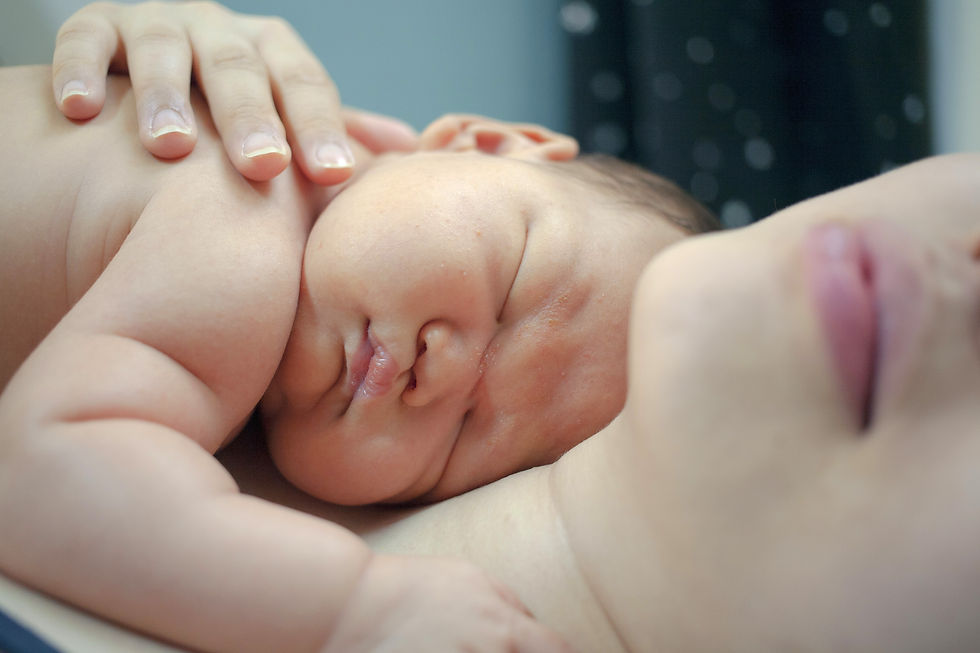
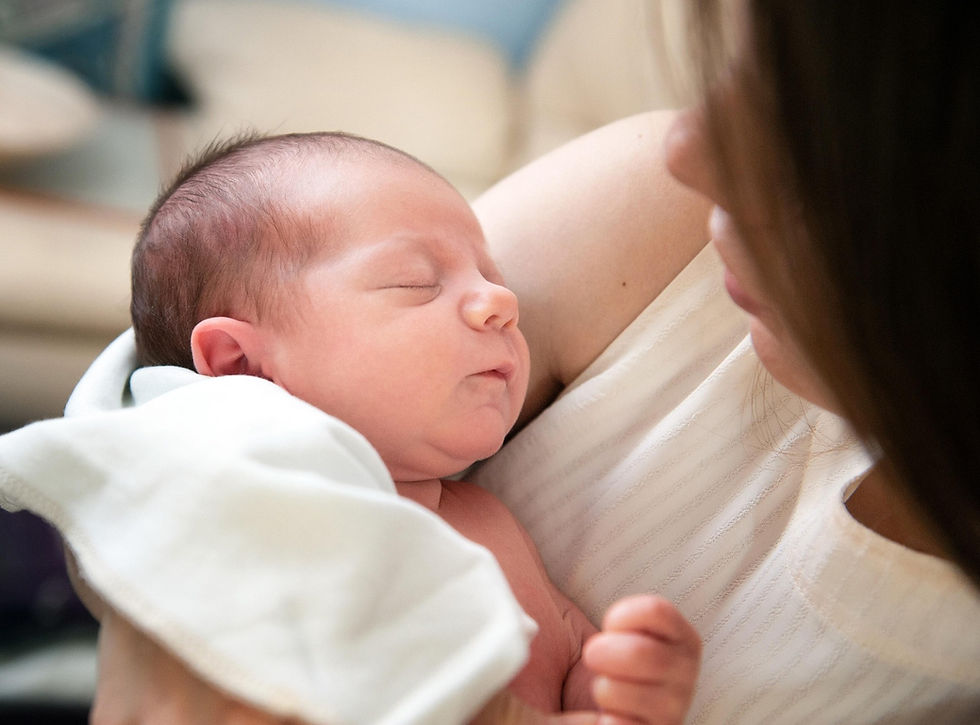
Hold your baby against your chest — their ear close to your heart if possible. Begin patting their back gently but with enough weight that they can feel it clearly. Keep the rhythm slow and steady — around one pat per second is a good starting point.
If your baby is very distressed, you can begin slightly faster and then gradually slow the rhythm down as they begin to calm. This mirrors what naturally happens to a heartbeat as anxiety reduces — and your baby's nervous system will often follow your lead.
Stay calm yourself. Breathe slowly. Your baby is exquisitely sensitive to your own stress levels, and your steady presence is as important as the technique itself.
A personal note
I remember reading about this technique before my daughter was born and thinking it sounded almost too simple.
Surely a crying baby needs more than just a pat on the back?
And then I tried it — right from those very first weeks. Lying together on the bed in the dim light of the night, her tiny body curled against my chest, I would begin that slow, steady patting. One beat at a time. And almost every time, I could feel her gradually letting go — her breathing slowing, her little fists uncurling, her body growing heavier against mine as the tension left her.
She didn't always fall asleep. But she calmed. And on those long nights, calm was everything.
Sometimes the oldest tricks really are the best ones.
A few tips to help it work
Combine it with closeness — the technique works best when your baby can also feel the warmth of your body and hear your actual heartbeat alongside the patting rhythm.
Be patient — a very distressed baby may take a few minutes to respond. Keep the rhythm steady even if they are still crying. Often the calm comes gradually rather than all at once.
Try it during the day too — not just at night. Using it as part of a regular settling routine helps your baby learn to associate the rhythm with rest, which makes it increasingly effective over time.
You are their whole world
There is something deeply moving about this technique when you sit with it for a moment.
Your baby came into the world knowing your heartbeat. And when everything else feels too much — when the world is too bright, too loud, too new — that rhythm brings them home.
You are not just calming your baby. You are reminding them, in the most ancient and instinctive way possible, that they are loved and they are safe.
That is not a small thing. That is everything.
Want to discover more calming techniques?
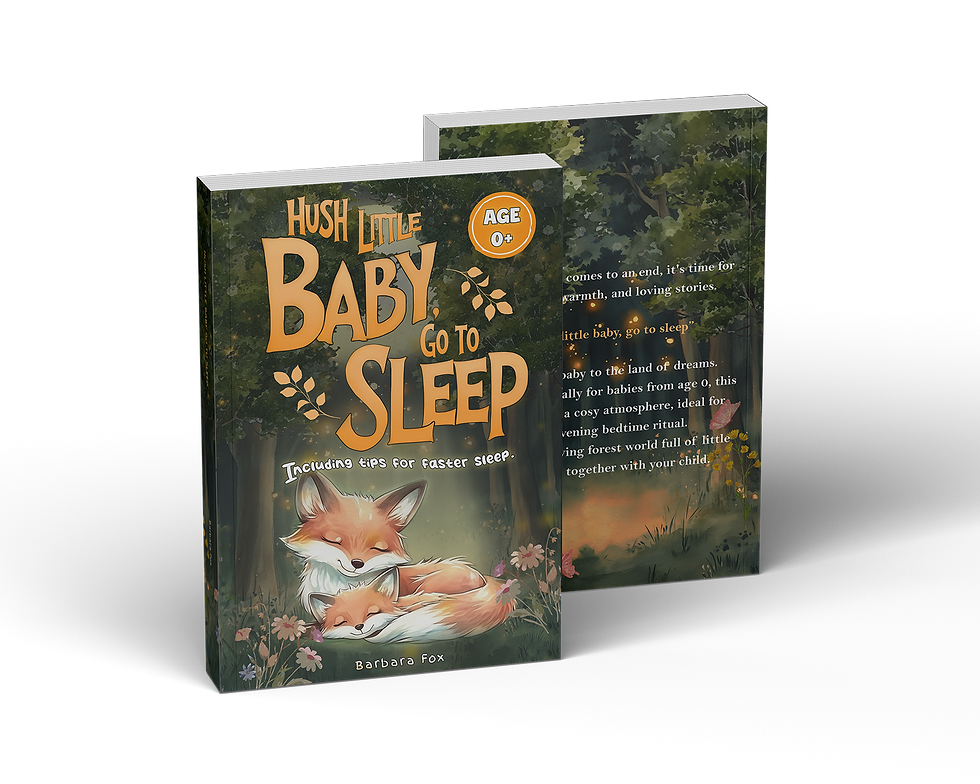
Imitating the heartbeat is just one of six tried-and-tested techniques included in my debut picture book, Hush Little Baby, Go to Sleep — alongside thirty gentle bedtime stories featuring the most adorable woodland animals you'll ever meet.
Because the best bedtime book should leave every reader — big and small — feeling a little more peaceful than before they opened it.
You can find Hush Little Baby, Go to Sleep on Amazon.

Comments