
The Airplane Hold: The Baby Calming Trick That Saved My Sanity

by Barbara Fox
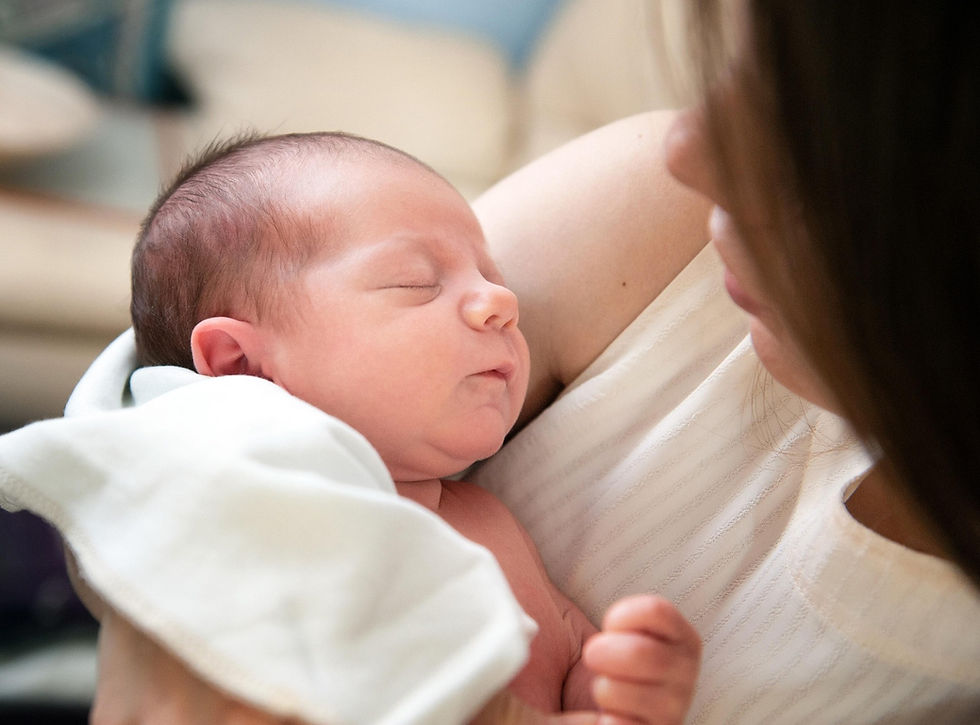
I still remember the night I first tried it.
It was somewhere around 2am, my daughter had been crying for what felt like hours, and I had already tried everything I could think of. Feeding. Rocking. Singing. Walking up and down the hallway in the dark for the hundredth time. Nothing was working, and I was exhausted in that deep, bone-tired way that only new parents truly understand.
And then I tried the Airplane Hold.
Within minutes, she was calm. Not just quieter — calm. Her little body relaxed, her breathing slowed, and she looked up at me with those enormous eyes as if to say: yes. This. Finally.
I nearly cried with relief.
What is the Airplane Hold for Babies?
It sounds more complicated than it is, I promise.
Place your baby face-down along your forearm, with their head near the crook of your elbow and their legs straddling your hand. Their tummy rests gently on your arm, their face turned slightly to the side so they can breathe comfortably. Use your other hand to stabilise them if needed — especially in those early weeks when everything feels a little nerve-wracking.
That's it. That's the hold.
Your baby is now lying face-down along your arm, supported from chest to hips, with gentle pressure on their tummy. And that gentle pressure? That's the secret.
Why does it work?
For many babies, tummy pressure is deeply soothing — particularly for little ones who suffer from wind, colic, or general digestive discomfort. The face-down position helps to relieve that pressure naturally, while the warmth of your arm and the closeness of your body provides the comfort and security they crave.
There's also something about the position itself that seems to calm the nervous system. Perhaps it reminds them of being held close in the womb. Perhaps it's the slight rocking motion that naturally comes with carrying them this way. Whatever the reason, many parents — myself included — have found it works when nothing else will.
A few things to keep in mind
As with everything in those early months, a little common sense goes a long way.
Always make sure your baby's face is turned to the side and their airway is clear. Never leave them unattended in this position, and always transfer them onto their back to sleep once they've drifted off — safe sleep guidelines are important, even on the most exhausting of nights.
Also worth knowing: some babies take to the Airplane Hold immediately, while others need a little time to settle into it. If your little one seems unsure at first, try combining it with gentle swaying or a soft hum. Often it's the combination of techniques that does the trick.
You're not doing it wrong
I want to say something that I wish someone had said to me in those early weeks.
When your baby won't stop crying and nothing seems to help, it doesn't mean you're failing. It doesn't mean you're doing something wrong. Babies cry — sometimes a lot — and finding what works for your particular little one is a process of trial, error, and a great deal of patience.
The Airplane Hold won't work for every baby every time. But it's one more tool in your toolkit, and on the nights when it does work — oh, those nights feel like magic.
Want to discover more calming techniques?
The Airplane Hold is just one of six tried-and-tested techniques I've included in my debut picture book, Hush Little Baby, Go to Sleep — alongside thirty gentle bedtime stories featuring the most adorable woodland animals you've ever seen.
Because I truly believe that the best bedtime book should take care of everyone in the room — not just the little one being read to.
You can find Hush Little Baby, Go to Sleep on Amazon.

Comments